Careers at CBT Collective
Where Training Meets Real Treatment
At CBT Collective, we believe exceptional client outcomes begin with exceptional clinician development. Our clinicians receive ongoing mentorship, consultation, and training from CBT leaders who've trained therapists around the world, not because they need to catch up, but because even our best clinicians never stop sharpening their craft. Whether you're early in your career or looking to deepen a specialty area, you'll join a culture that values curiosity, growth, and clinical excellence.
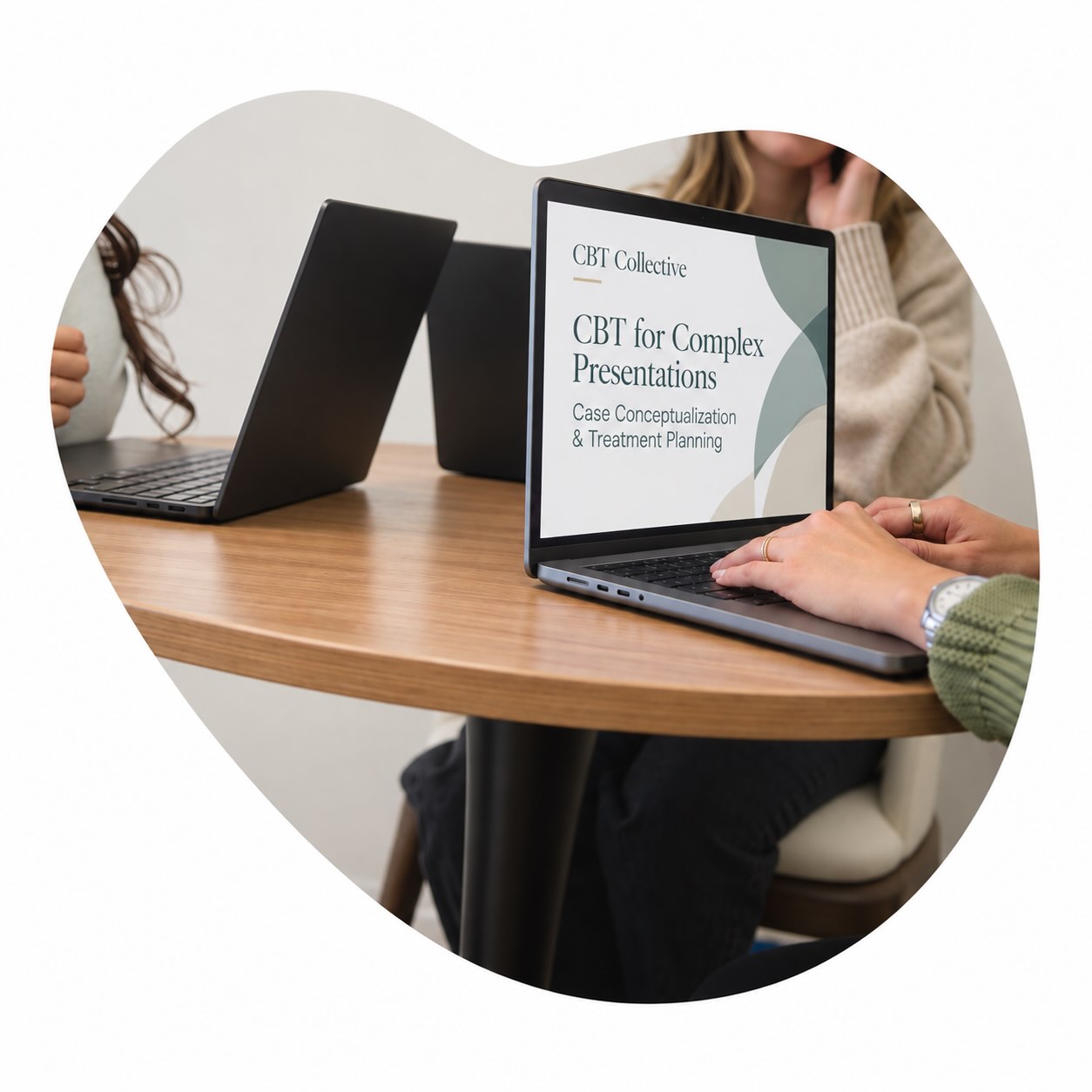
Our Philosophy
We Invest in Clinicians Because Our Clients Deserve It
Many practices provide supervision, usually from one person. Few provide structured, ongoing professional development led by multiple master clinicians who've trained CBT therapists around the world, so our clients benefit from a depth and breadth of expertise that goes beyond any single clinician. That's part of why we're CBT Collective.
Training isn't just an onboarding experience here. It's part of how we practice, regardless of clinical tenure.
OUR METHODOLOGY
Why We Focus on Empirically Supported Treatments
Our clinicians train across a range of models, from Beckian cognitive therapy to behaviorism to values-based approaches. Every technique has to earn its place, backed by research, not tradition, and tailored to what's actually happening with each client. No matter the condition or complexity, our trainers hold every clinician to that same evidence-based bar.
Your Trainers
Learn From CBT Leaders in the Field
Our training team is built from former Beck Institute faculty, Academy of CBT leadership, researchers, authors, and consultants: clinicians who haven't just kept up with evidence-based treatment, but helped shape where it's going.

Francine Broder
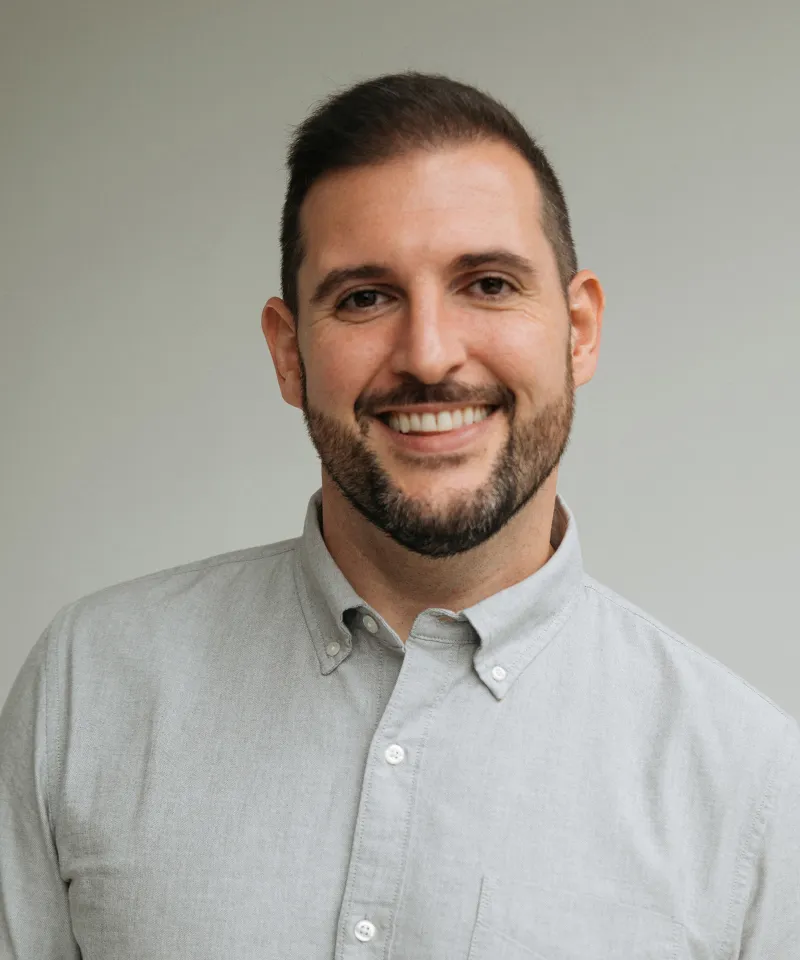
Jason Duncan
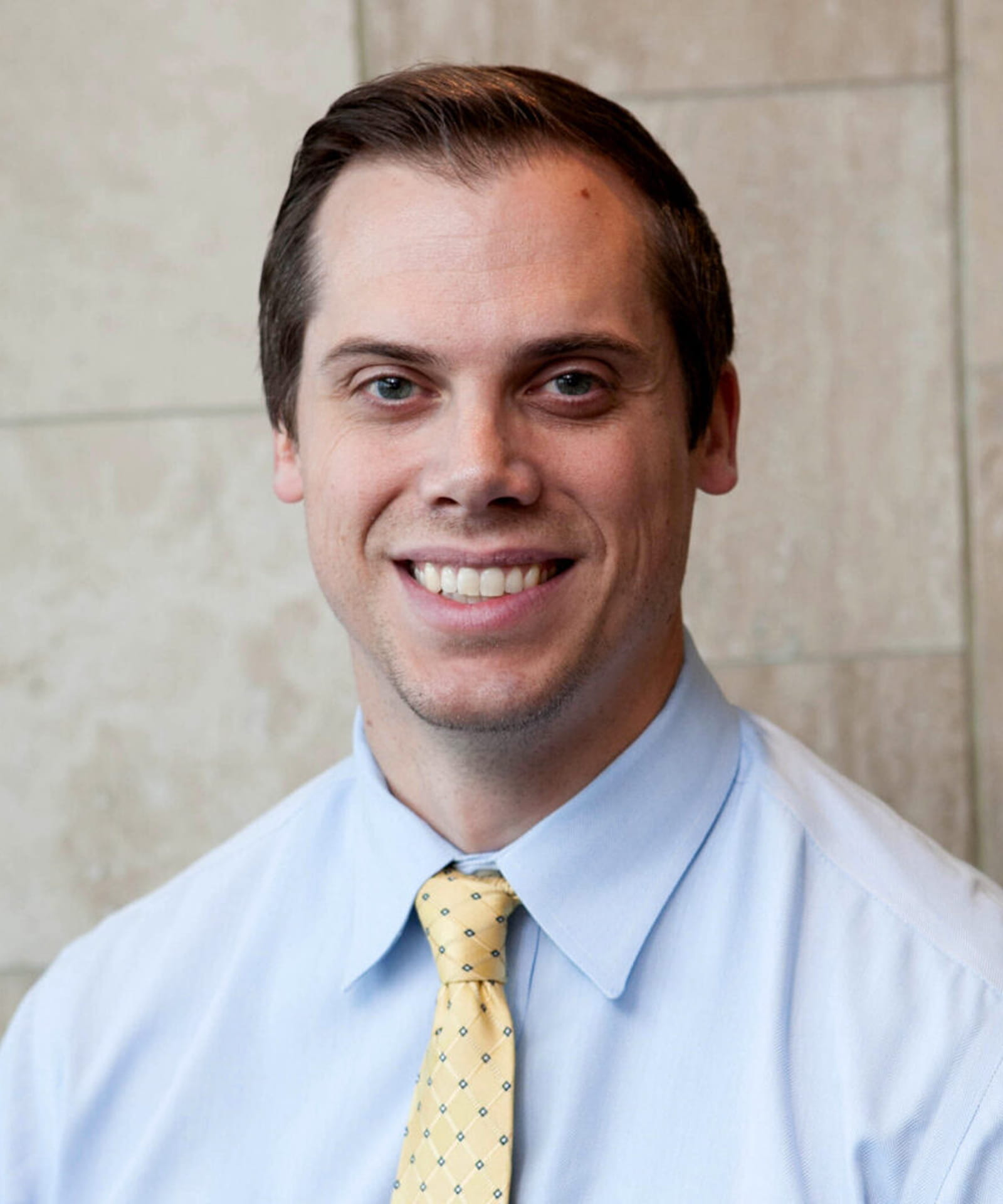
Robert Hindman
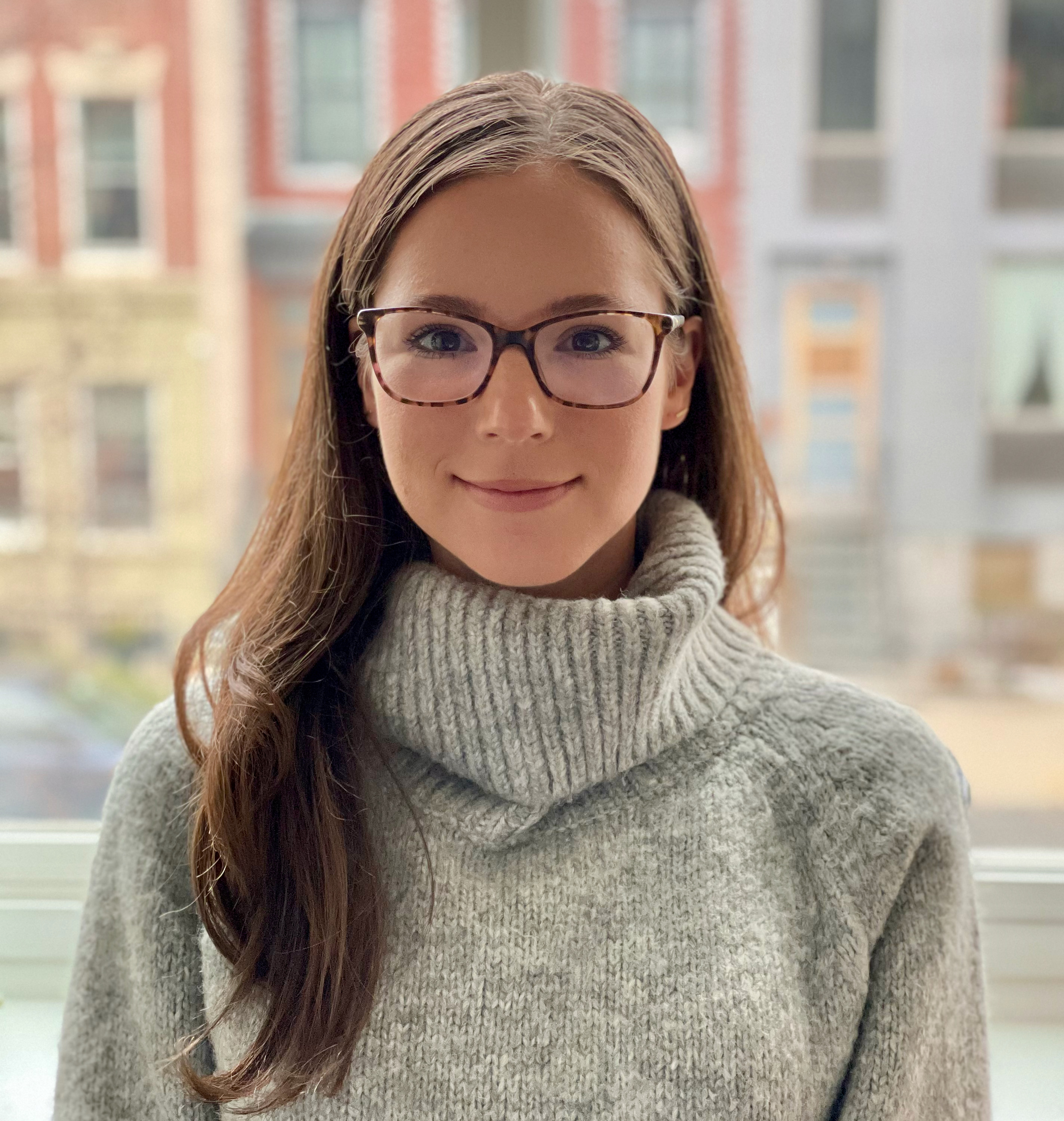
Rosemarie Kurtz
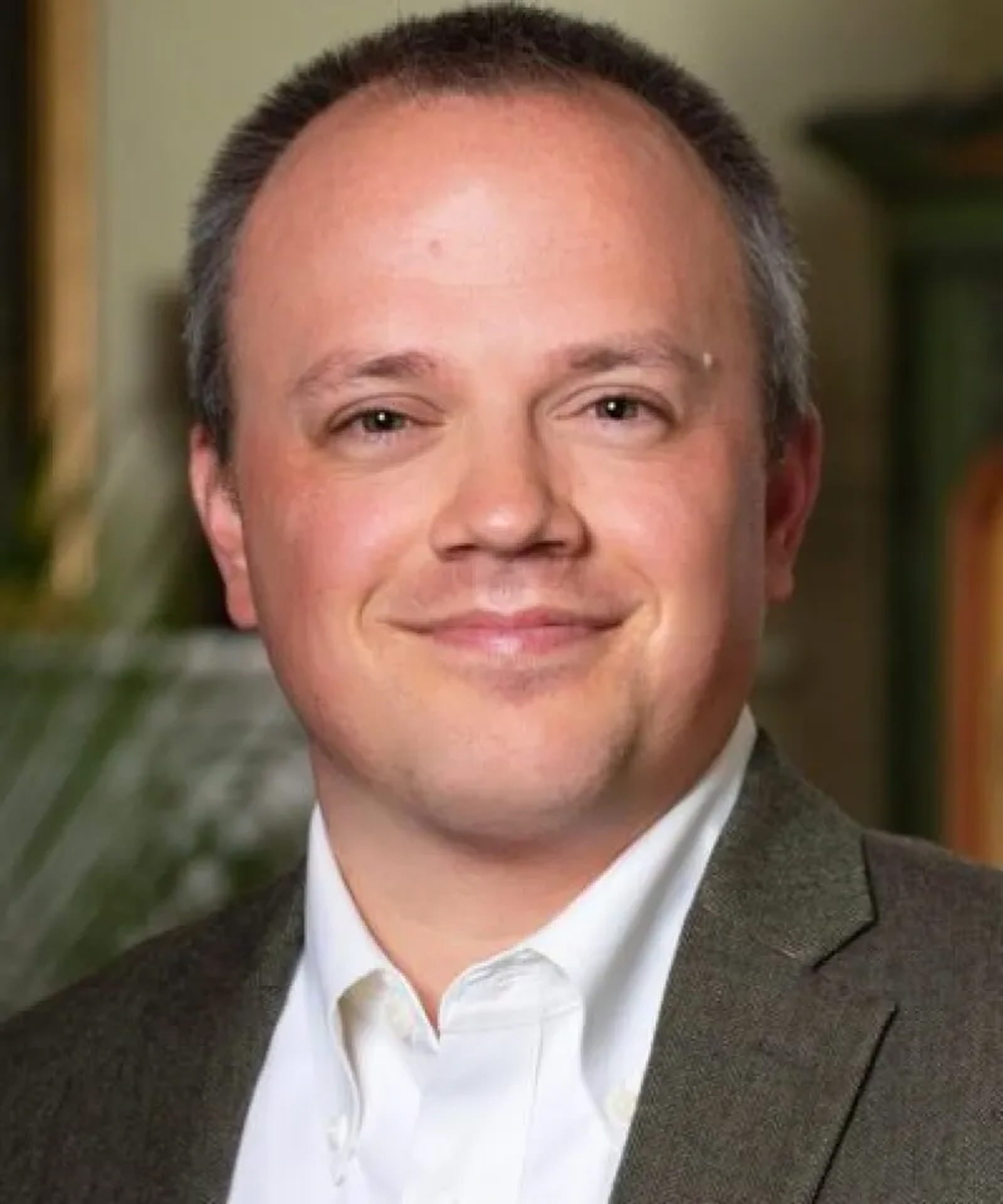
Scott Waltman
Trent Codd
Our Training Model
What Training Looks Like
Our training model is designed to support clinician growth while ensuring clients receive thoughtful, evidence-based care informed by ongoing consultation and professional development.
Weekly Individual Consultation
Weekly Individual Consultation
Weekly Group Consultation
Interactive Didactics
Personalized Growth Plans
Getting you Ready for Certification

Training Doesn't Stop at Therapy
Under the mentorship of a fellowship-trained neuropsychologist, Develop expertise evaluating ADHD, autism, learning differences, and complex cognitive and social-emotional concerns across the lifespan. Clinicians learn the full evaluation process, from selecting and administering measures to integrating findings, forming diagnostic impressions, developing actionable recommendations, and crafting it all into highly informative, yet digestible formats to best serve all parties.

Comprehensive When Needed. Targeted When Not.
Our comprehensive neuropsychological evaluations look under every stone. By throughly examining cognitive, academic, attentional, executive, and social-emotional functioning to understand not only what is going on, but what isn’t. When the question is more specific, we offer targeted evaluations designed to provide a clear answer without unnecessary testing. Clinicians learn to do both and how to determine which approach the clinical question calls for.

Train like a Neuropsychologist
Rosemarie Kurtz, Ph.D., NCSP, is a neuropsychologist with a doctorate from Columbia and a full fellowship in neuropsychology at Northwell Health. Her developmental model of training is designed to make expert clinical reasoning visible. Clinicians work alongside Dr. Kurtz to think through complex and ambiguous cases, wrestle with competing hypotheses, integrate findings that don’t fit neatly together, and learn how an experienced neuropsychologist arrives at and communicates a conclusion.
The CBT Collective Difference
Here's what that looks like in practice:

Who Thrives Here?
You might be a fit if you:

Ready To Grow With Us?