
Representing CBT Collective at the World Congress of CBT
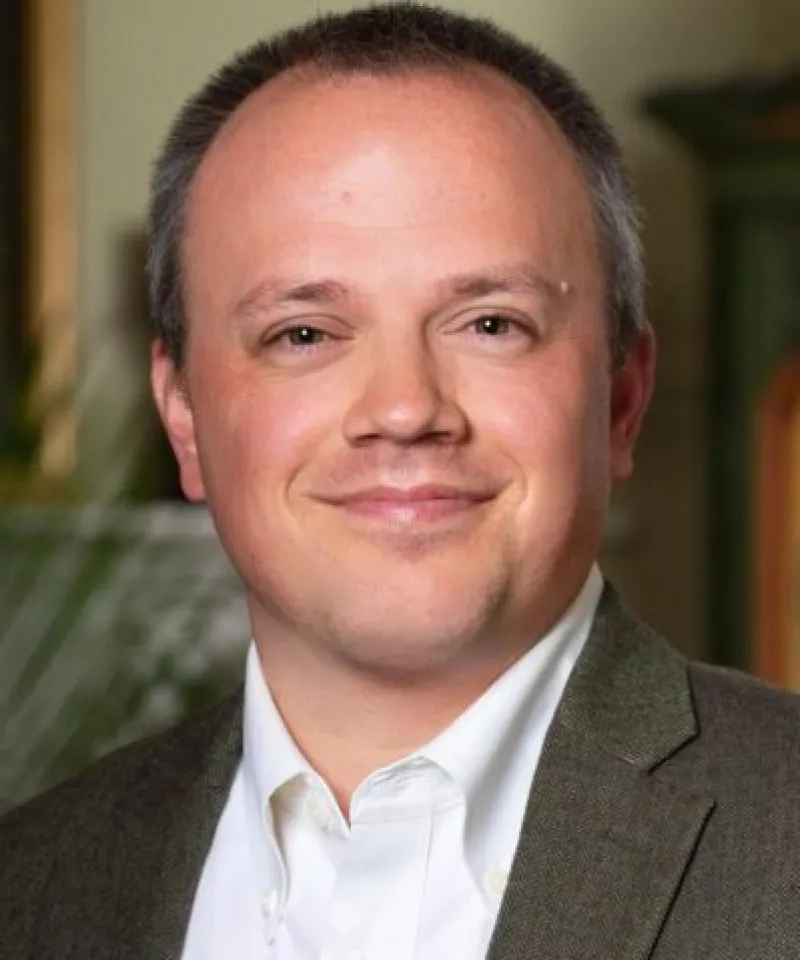
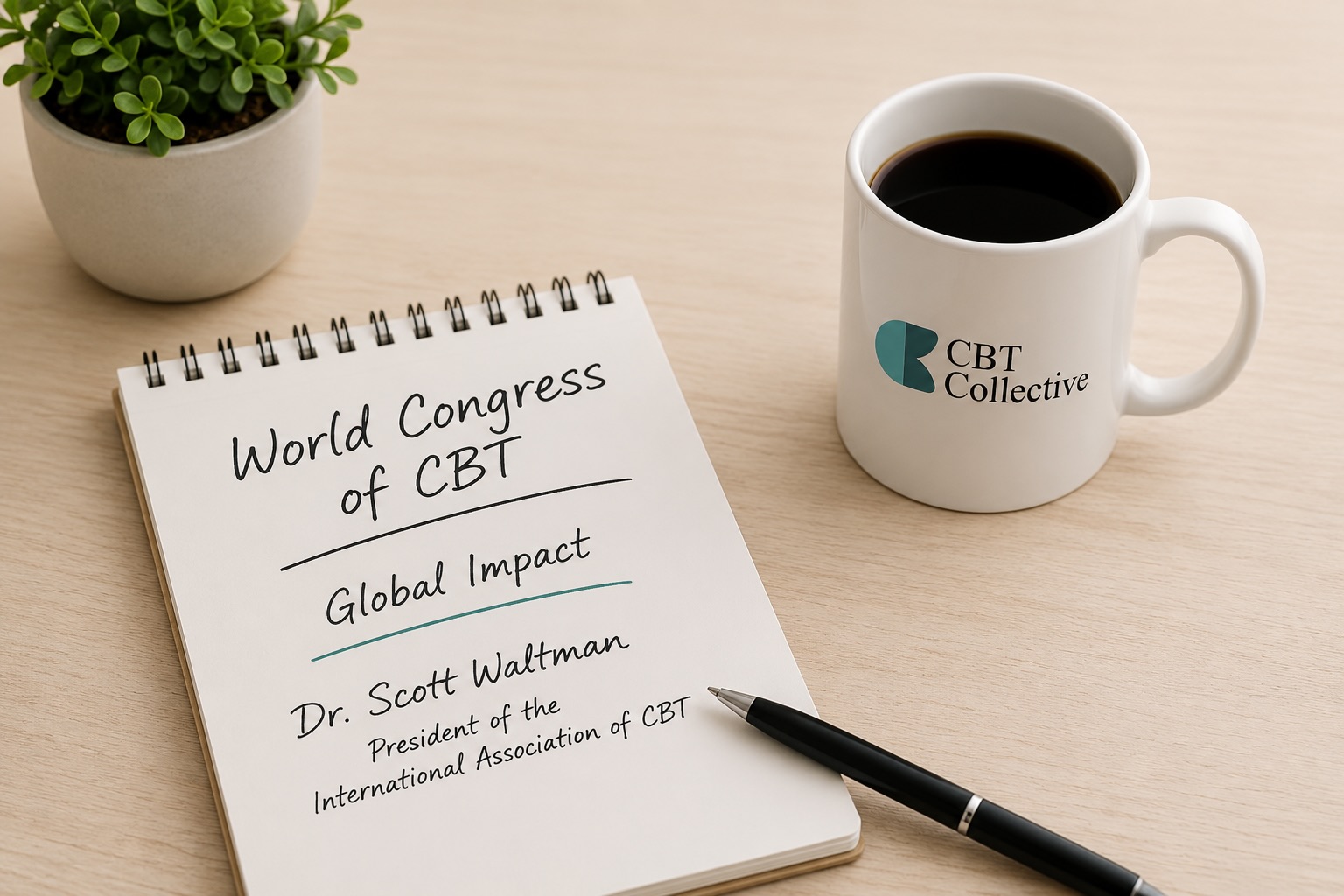
I am excited to be heading to San Francisco to represent the CBT Collective at the World Congress of CBT. This is the largest CBT conference in the world. It is put on by the World Confederation of CBT--sometimes refer to as the UN of CBT, as it is a coalition of all the major regional CBT organizations like the European and Asian Associations. I'm excited to learn more about the latest advances from the world's leading experts in CBT. Conferences like this help me stay current and sharp as a clinician.
This will be my third time presenting at the World Congress. Last time in Korea I gave a training on Socratic Questioning, and the time prior in Berlin I presented on CBT for insomnia. This time I will be participating in a clinical round table discussion exploring the intersection between clinical and cultural competency in CBT. I will also be giving a 3-hour in-conference workshop on the relationship between ancient Stoicism and modern CBT.
Why Stoicism and CBT Fit So Well Together
When Aaron Beck and Albert Ellis were both developing cognitive therapy, they attributed its origins to ancient Greek and Roman Stoicism. Many clinicians are often quick to recognize the similarities between these ideologies, as the notion that it is our judgments that drive our emotional reactions is a core tenant of both cognitive therapy and Stoicism.
However, many clinicians are surprised to find that the modern form of CBT (which in many ways has evolved from its early Beckian roots), is actually even more compatible with Stoicism. As the true goal of this philosophy is to learn how to live well. The Stoics thought that the goal of life was not to be as comfortable as possible but to live fully according to your values.
Learning how to mentally slow down and not buy into the first impression your mind is feeding you is a core goal of this philosophy. Other main ideas include increasing distress tolerance so we can focus on increasing long term happiness and learning to focus your energies on what is within your circle of control. Often, I have therapy clients who are interested in having some Stoicism coaching folded into therapy as it can be an effective medium for learning a philosophy of resilience. It is also full of useful metaphor and examples that can be used to teach CBT in a memorable and accessible way.
Connecting With the Global CBT Community
The conference is also a good time to reconnect with colleagues from all over the globe. It is when my term as president of the International Association of CBT is scheduled to start and I'll also be presenting on behalf of the Academy of Cognitive & Behavioral Therapies as well. Not to mention, I'll be meeting up with my editor from New Harbinger to discuss how my Stoicism Workbook is doing. I recently turned in to him the final chapters for my latest book that focuses on helping people who fall into codependent patterns of compulsive rescuing and over-extending in relationships. The goal of that book is to help people learn to find balance and make relationships more reciprocal and sustainable.
I'm looking forward to a great conference! And I'm proud to be representing the CBT Collective on the world stage.